Origins
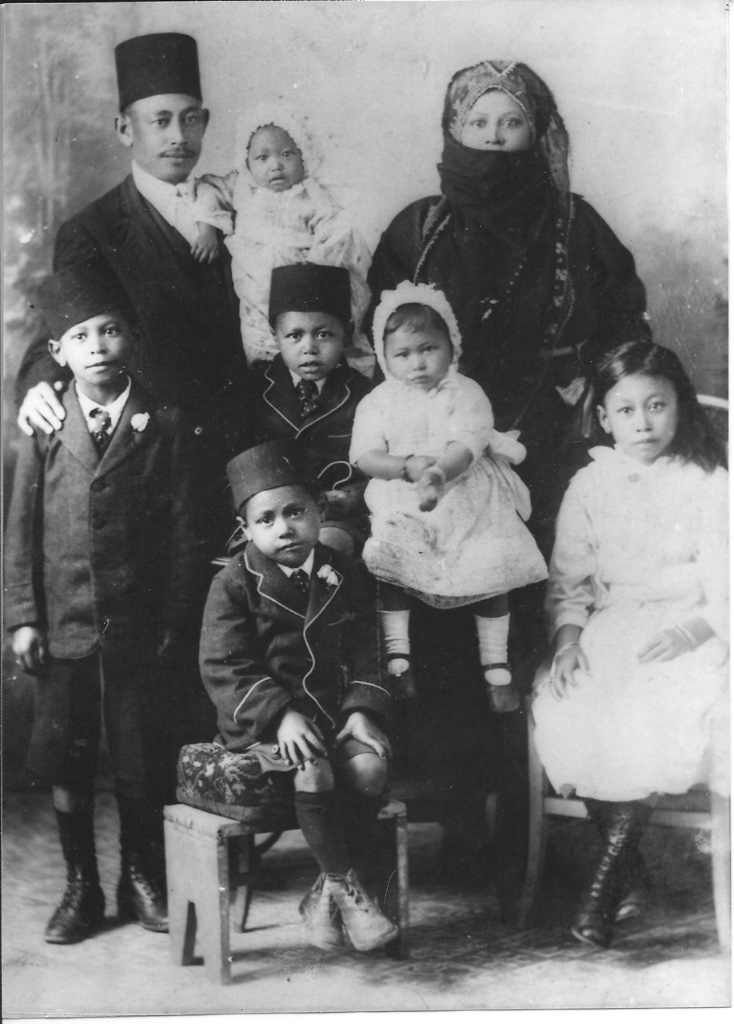
The Cape Malay community traces its roots to enslaved people brought to the Cape from Southeast Asia (primarily present-day Indonesia), India, and East Africa by the Dutch East India Company (VOC) in the 17th and 18th centuries. Despite the name "Malay," the community's origins are diverse, reflecting the breadth of the VOC's trade network.
Cuisine
Cape Malay cuisine is one of South Africa's most distinctive food traditions, characterised by aromatic spices, slow cooking, and sweet-savoury flavour profiles.
- Bobotie — Spiced minced meat baked with an egg topping, often considered South Africa's national dish
- Koeksisters — Syrup-drenched, twisted doughnuts (distinct from the Afrikaner version)
- Denningvleis — Slow-cooked spiced lamb
- Malva pudding — A sweet, spongy dessert with apricot jam and caramel sauce
Music & Festivals
Cape Malay choir music is a unique tradition blending Southeast Asian, Dutch, and African influences. The annual Malay Choir Carnival (Tweede Nuwe Jaar, 2 January) features vibrant performances through the city centre.
Faith & Traditions
The Cape Malay community is predominantly Muslim. The Auwal Mosque in the Bo-Kaap, founded in 1798, is the oldest mosque in South Africa. Ramadan and Eid are central to community life.
Explore the neighbourhood at the heart of this heritage in our Bo-Kaap guide.