History
The Bo-Kaap is one of Cape Town's oldest residential areas, dating back to the 1760s. Originally known as the Malay Quarter, it was home to emancipated enslaved people and political exiles brought from Southeast Asia, India, and East Africa by the Dutch East India Company.
The Colourful Houses
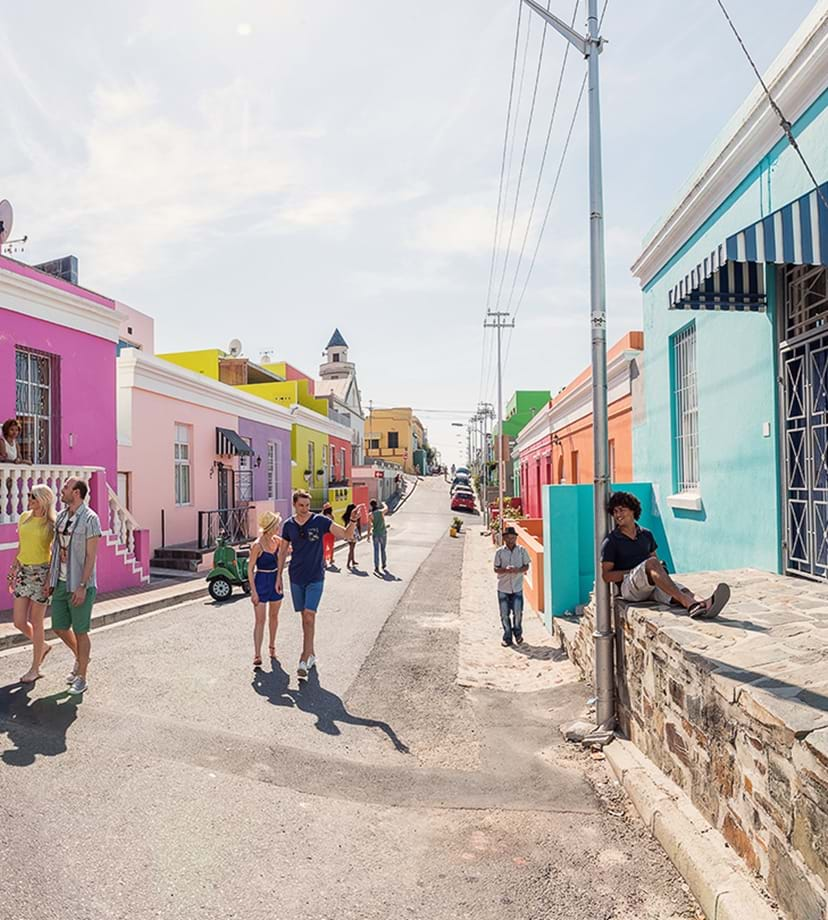
The iconic brightly coloured facades — pinks, greens, blues, and yellows — became a tradition in the late 20th century. Residents repainted their homes in vivid colours, partly as an expression of freedom and identity during and after apartheid.
Key Landmarks
- Wale Street — The main thoroughfare and most photographed street
- Auwal Mosque — South Africa's oldest mosque (founded 1798)
- Bo-Kaap Museum — Located in the oldest house in the area, dating to the 1760s
- Cobbled lanes — Several streets retain original cobblestones
Daily Life
The Bo-Kaap remains a living residential community, not a museum. Many families have lived here for generations. The neighbourhood is within walking distance of the CBD, making it popular with professionals and coliving residents.
Visiting Respectfully
The Bo-Kaap is a residential area, not a tourist attraction. Be mindful of residents' privacy, avoid photographing people without permission, and consider a guided walking tour that benefits the community. Learn about the area's Cape Malay heritage.